The Rise
The story of The Mill begins with water. In 1831, John Vickers built a dam across a pure, spring-fed creek that dropped eight feet—a remarkable feature in the flat landscape of southwest Michigan. That dam created Sunset Lake. Then a village began to take shape around the creek, the mill, and the pond. By 1871, it was incorporated as Vicksburg.
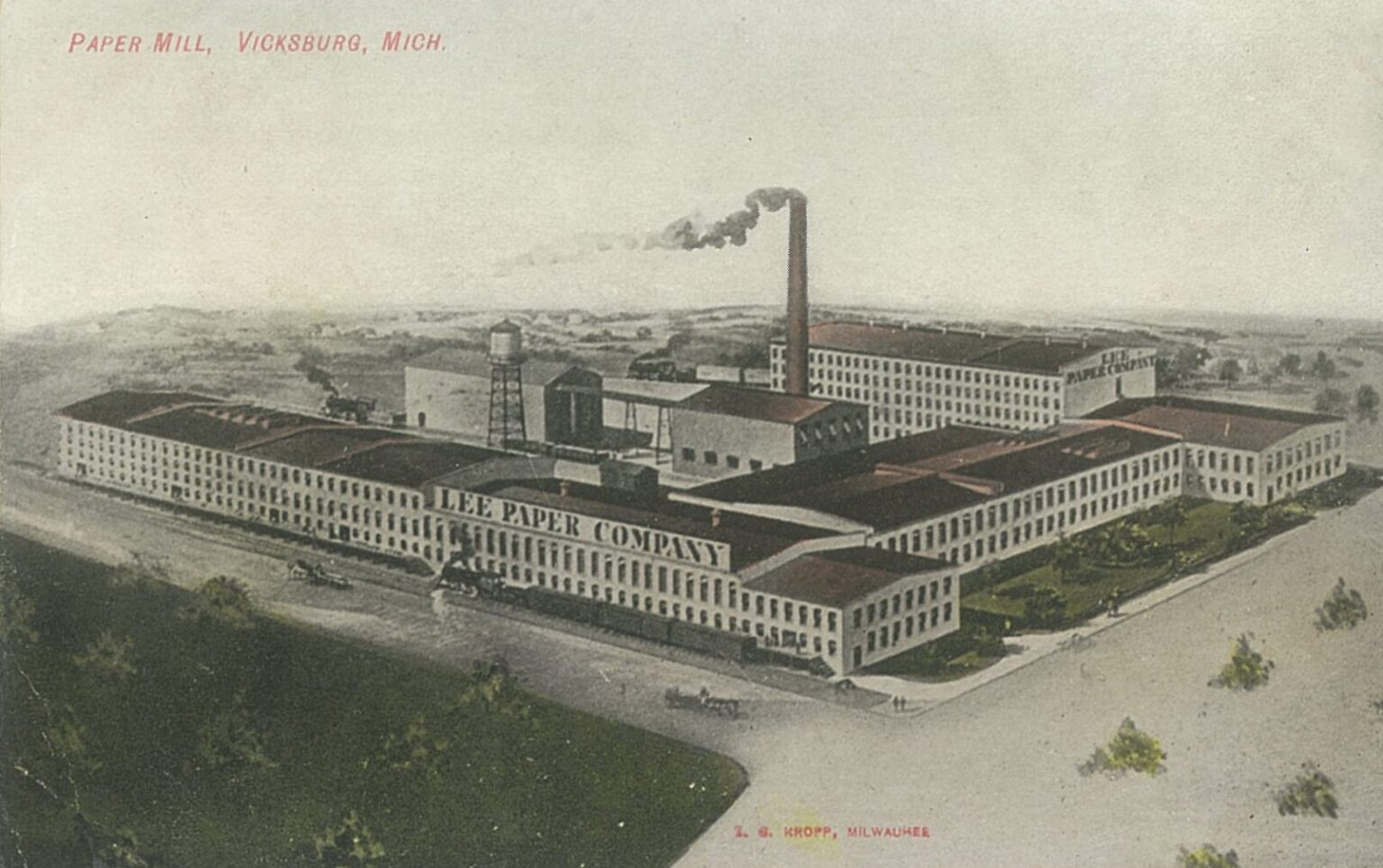
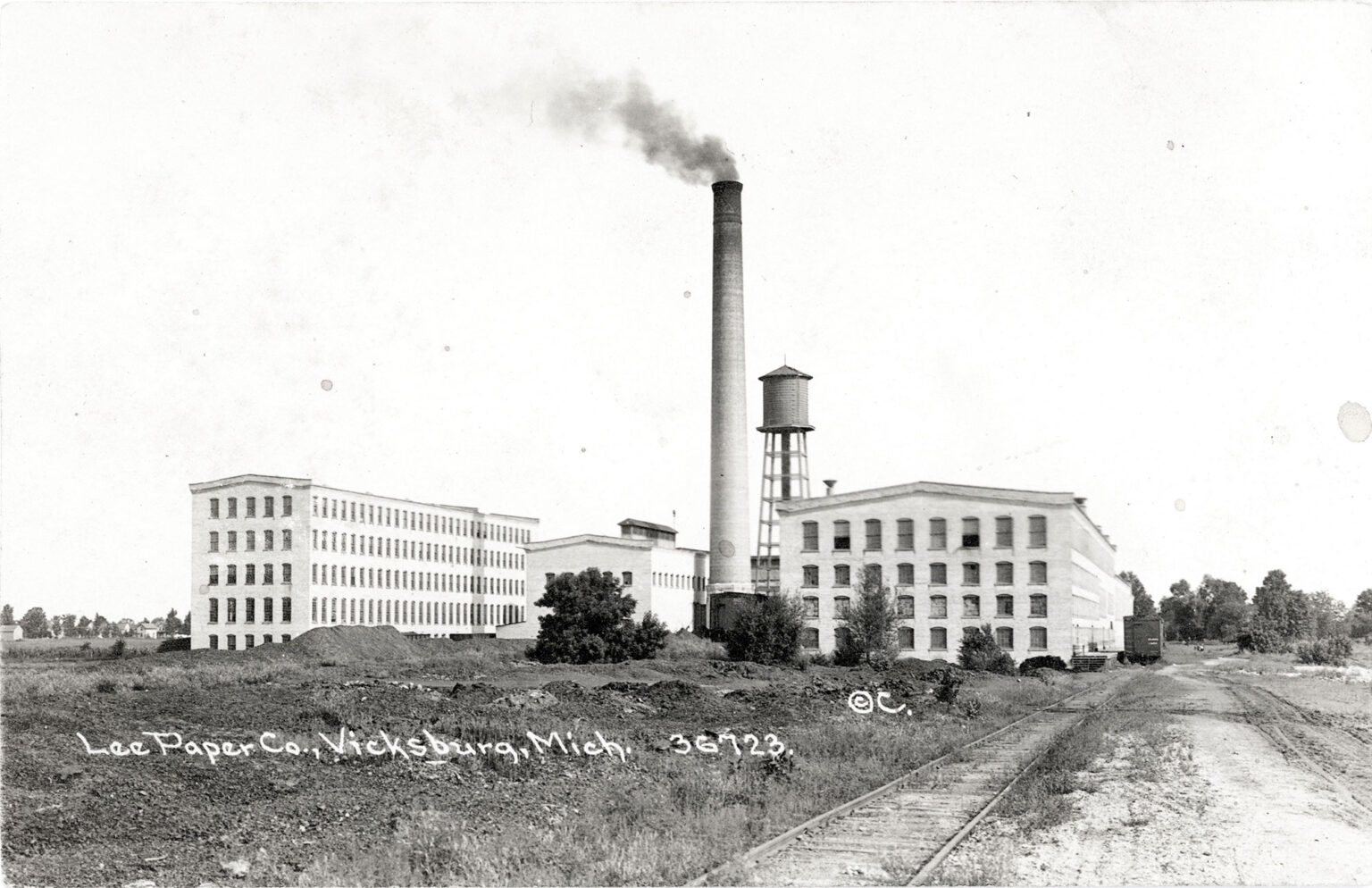
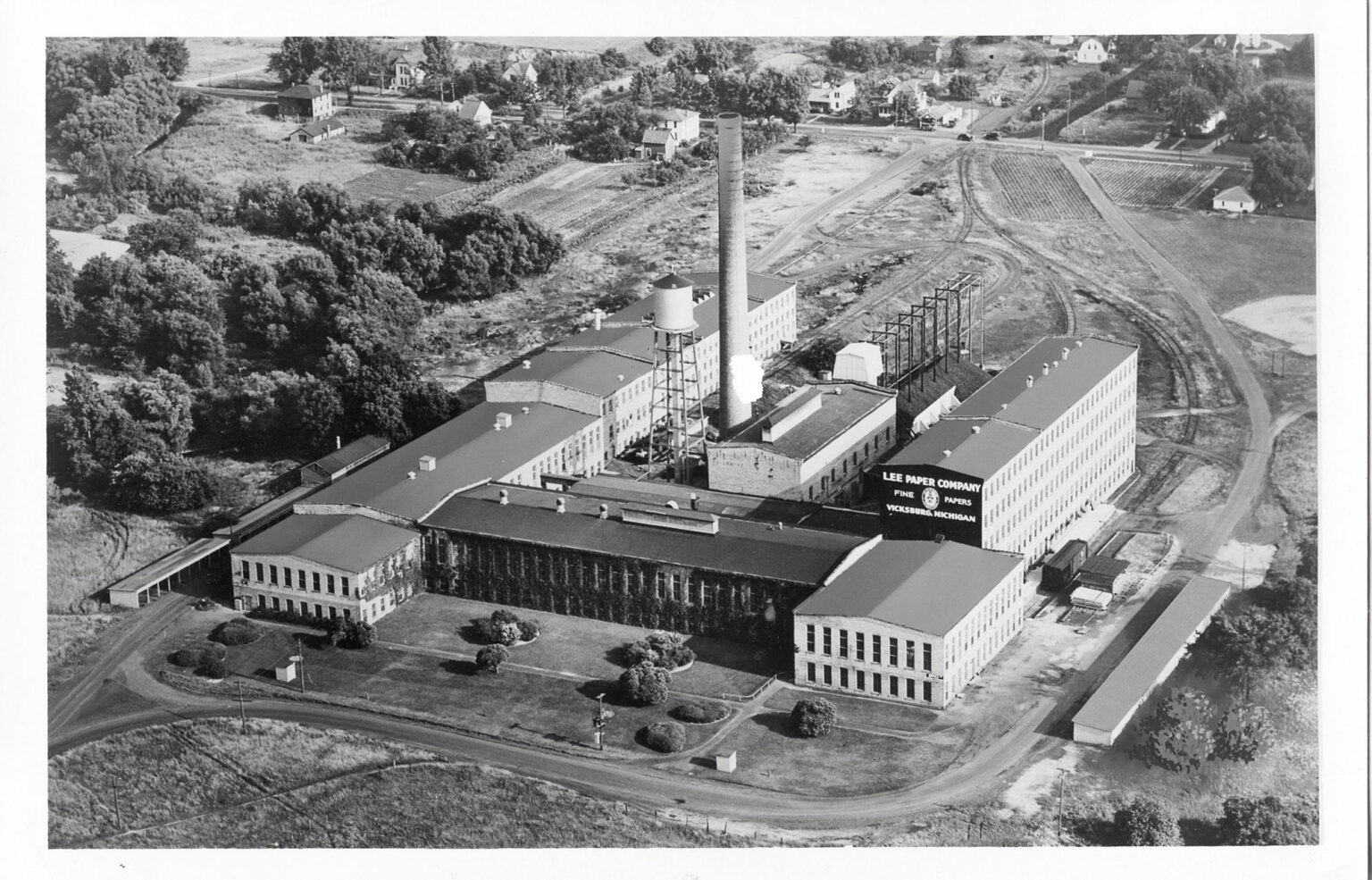
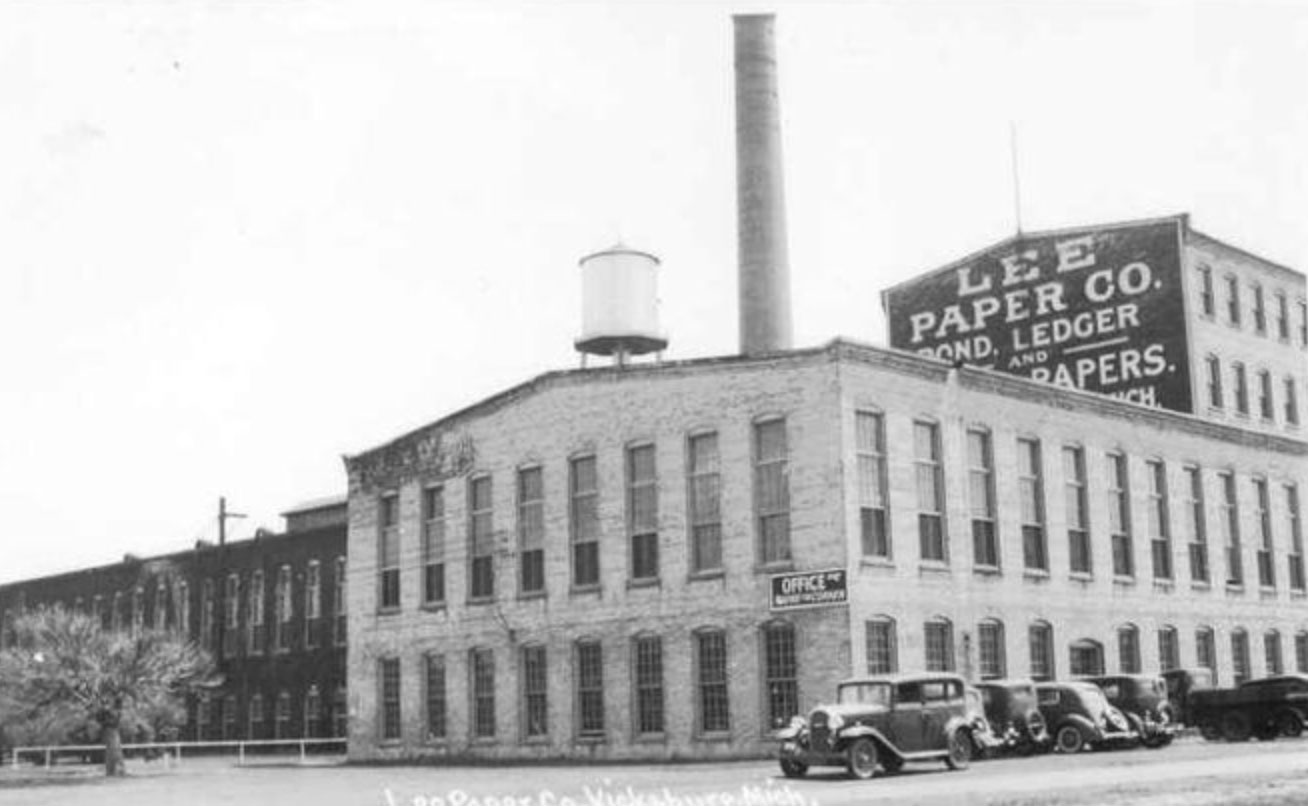
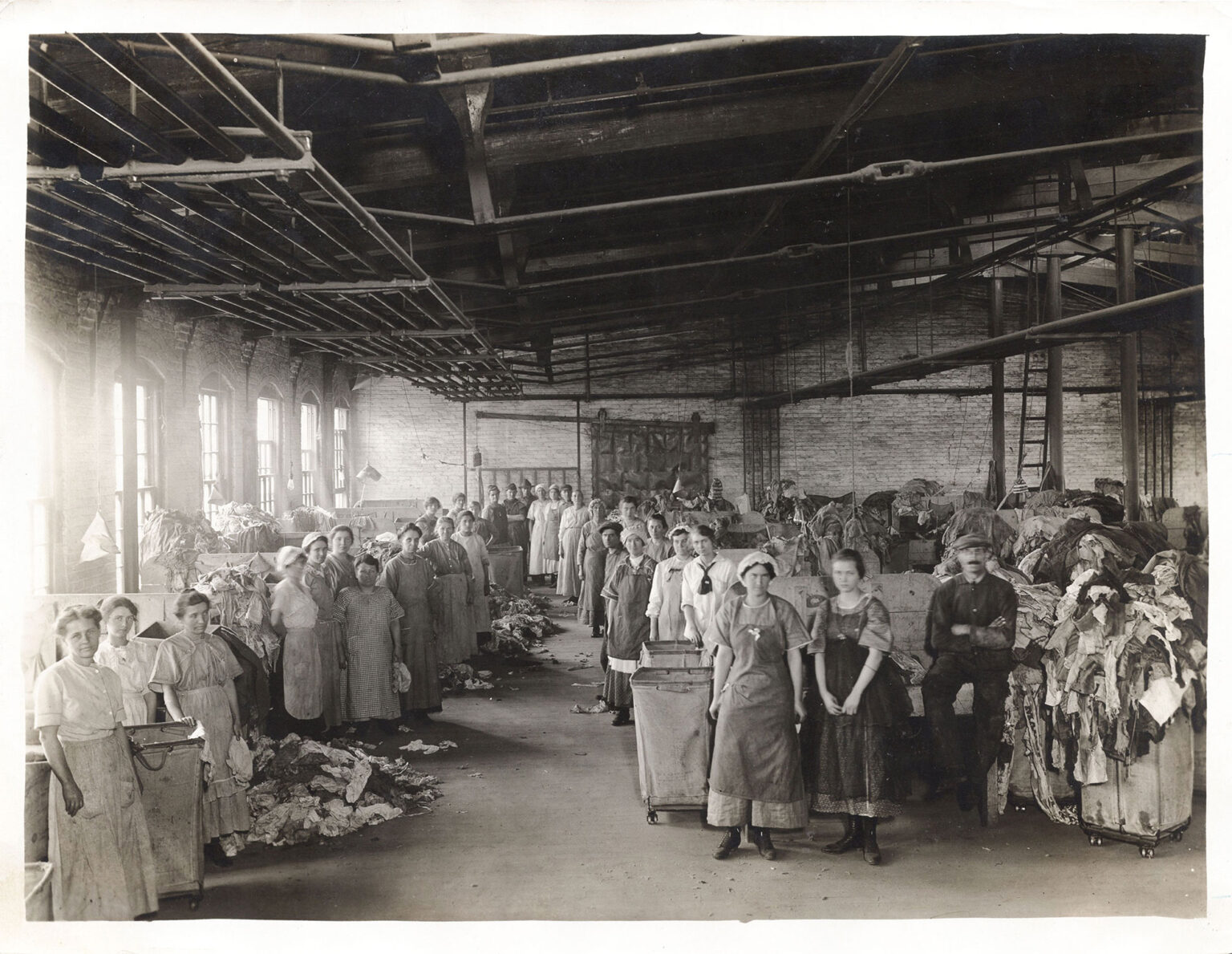
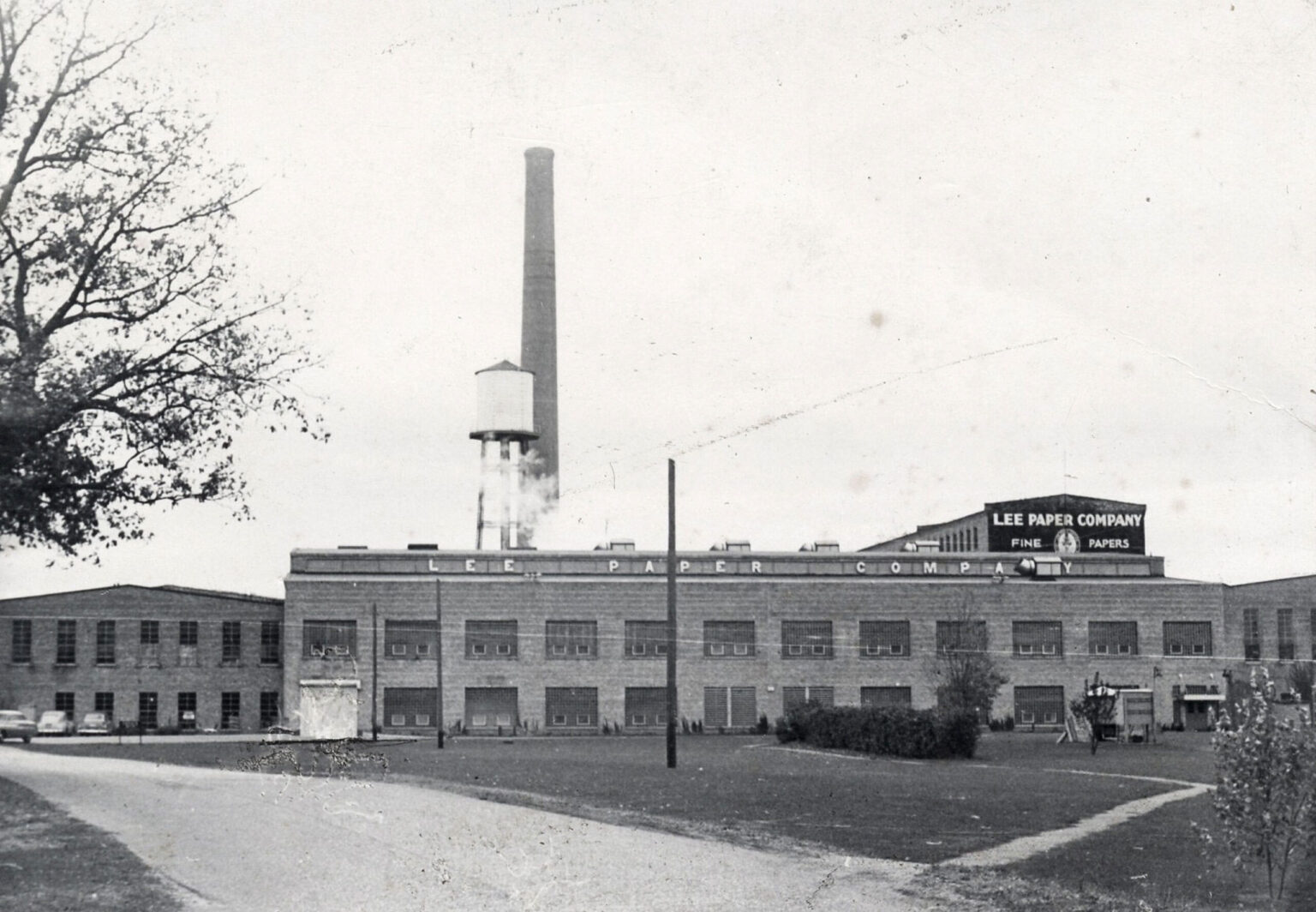
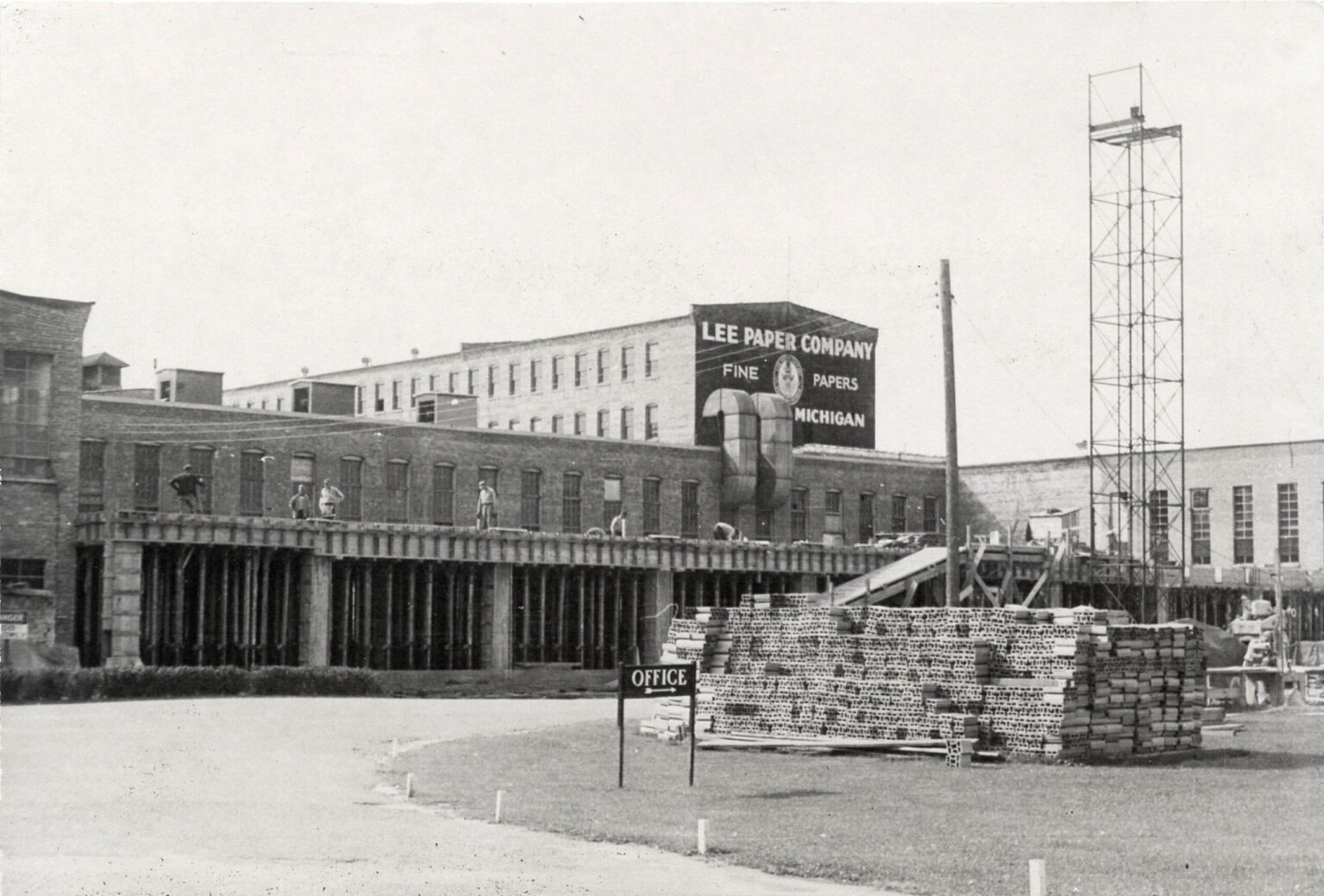
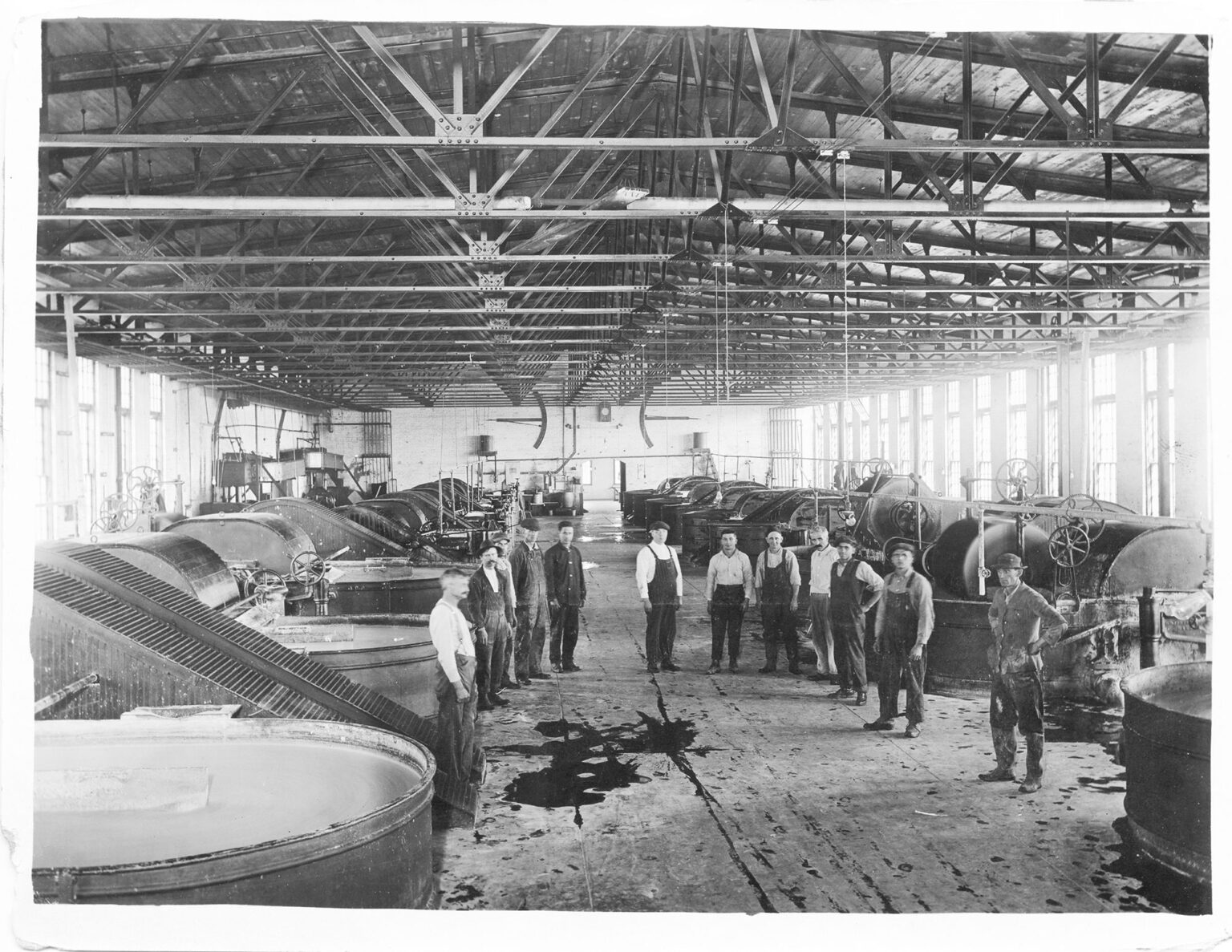
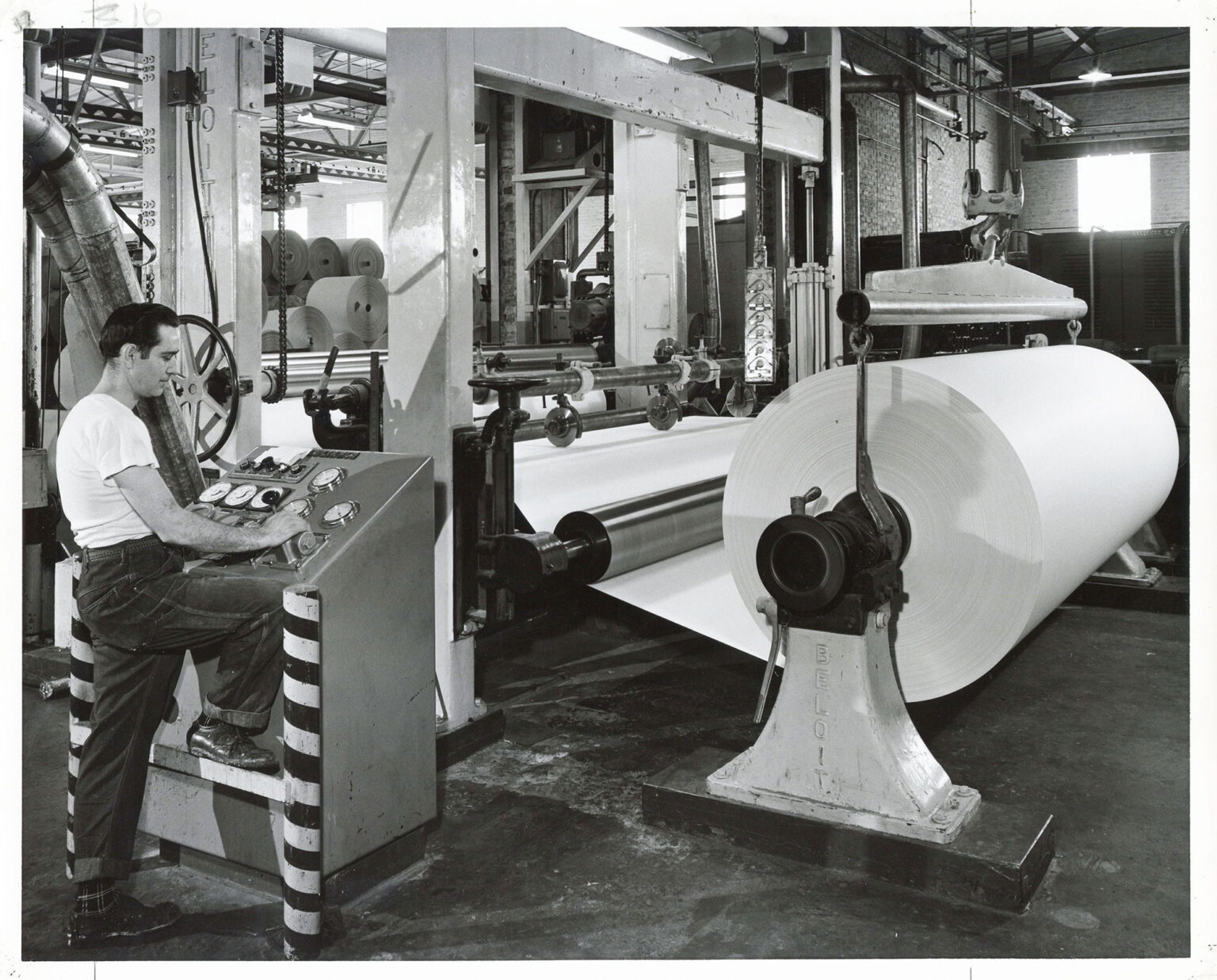
Seven decades later, the same water fueled a new kind of industry. Portage Creek’s pure supply made the site ideal for manufacturing fine writing paper from cotton rags, leading to the construction of the Lee Paper Company between 1903 and 1905. When The Mill opened, it employed 205 workers. The workforce eventually grew to around 250, producing more than 17 tons of paper per day. Many workers settled in Vicksburg, including Polish immigrants from Chicago seeking steady, reliable wages.
Read More About The Mill Rise
On March 3, 1905, the great deep whistle of the Lee Paper Mill was pulled for the first time—ten inches in diameter, three feet long, and heard fifteen miles away. From that day forward, the whistle marked each shift while setting the rhythm of the town and the surrounding fields.
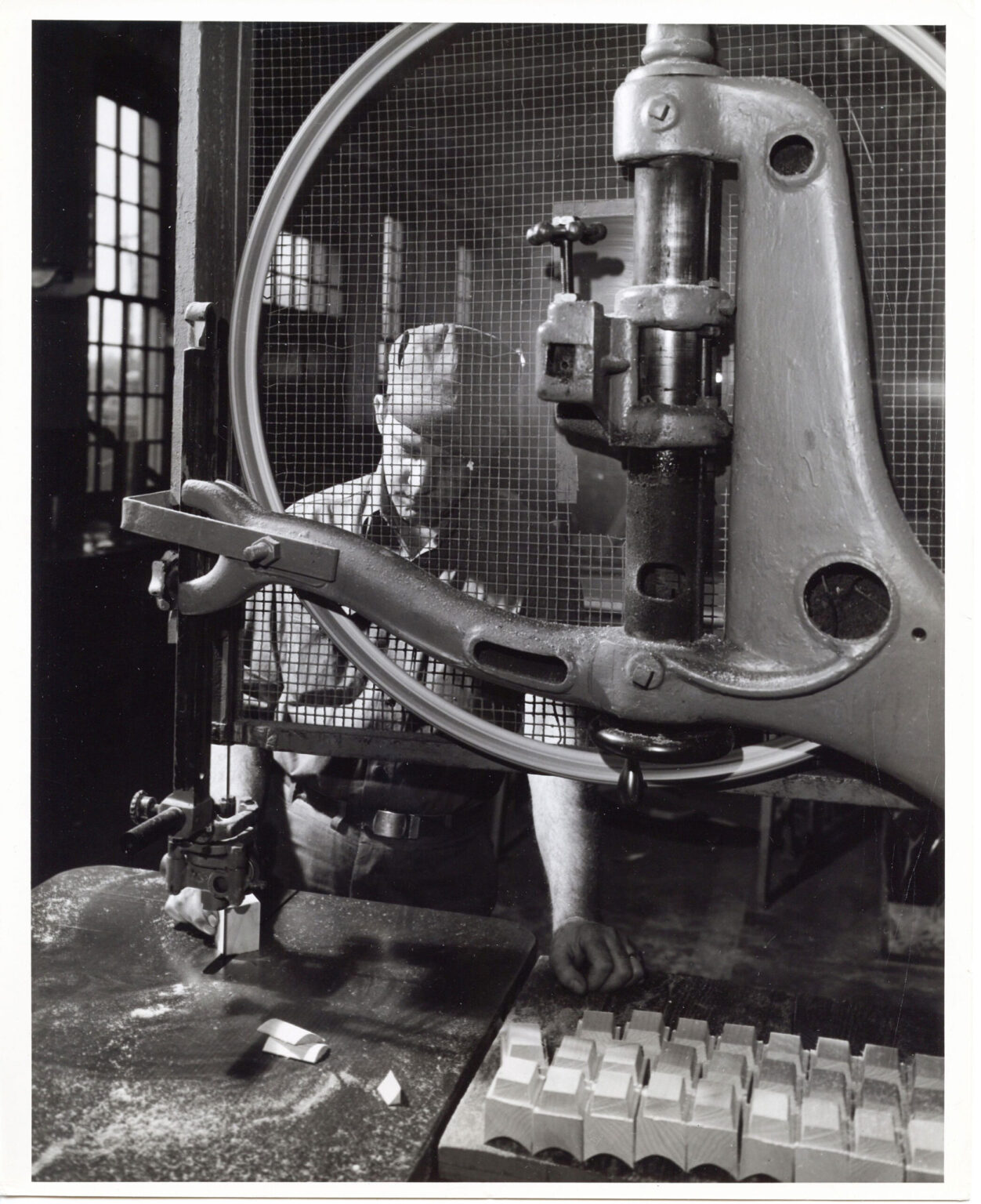
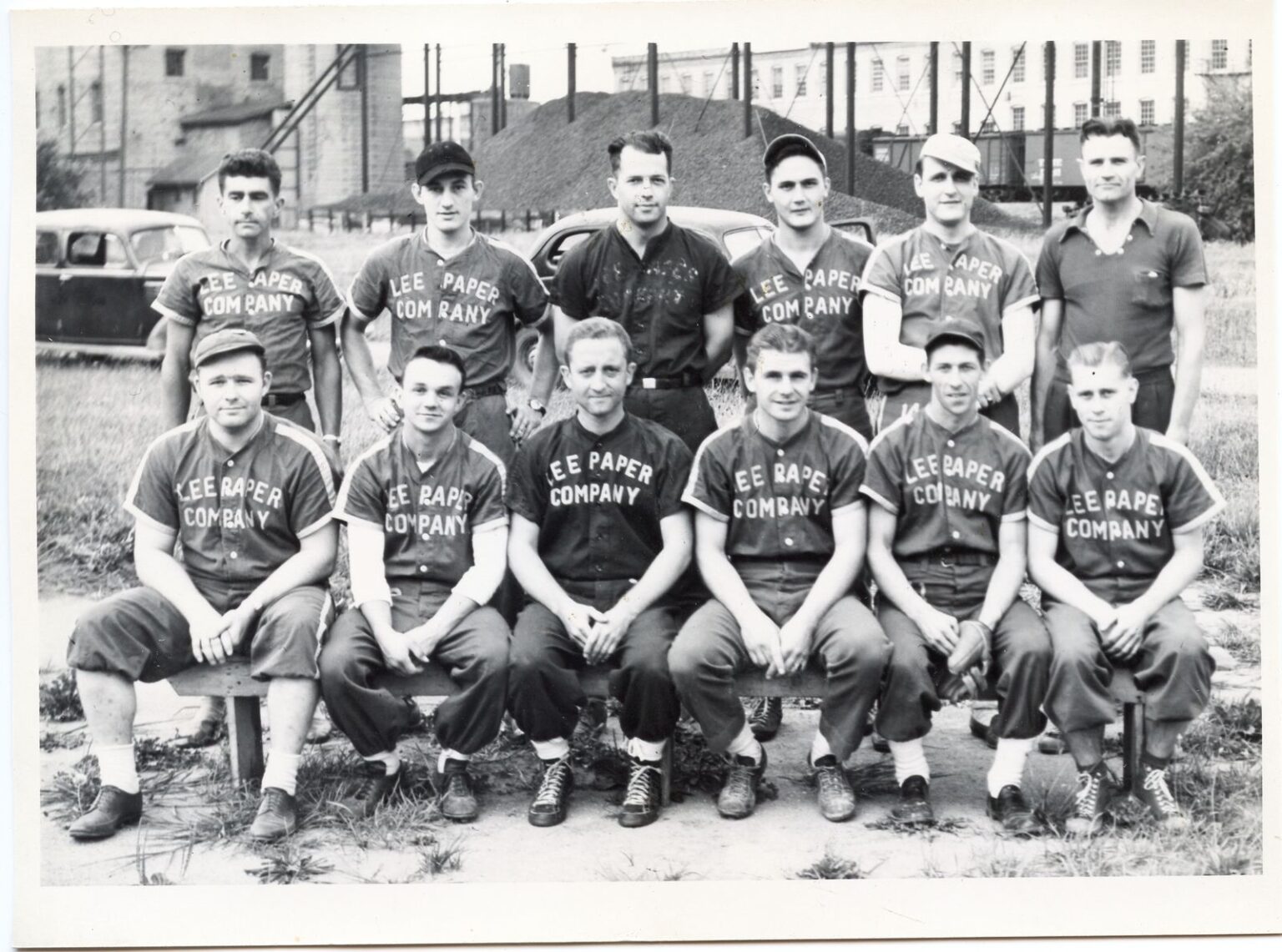
The Mill was more than an employer—it was the lifeblood of the community. Three generations of the Moore family worked there, and nearly every Vicksburg family had a connection to the factory floor. The Catholic Church in Vicksburg was established to serve The Mill’s Polish workforce, and housing construction surged to accommodate new families. In 1943, The Mill donated $19,500 to establish the Vicksburg Foundation. During the Great Depression, management spread work across employees so more families could continue earning a paycheck. During World War II, 80 percent of production supported the war effort.
The Fall
The Mill’s corporate history reflects a gradual shift through changing ownership and an evolving industry. In 1959, Lee Paper Company merged with Simpson Timber Co. to form Simpson-Lee Paper Company, later known as Simpson Paper Company. In 1996, the operation was acquired by Fox River Paper Company, who announced its closure in 2001.
With each transition, the connection to Vicksburg’s community roots weakened. The shift from rag-based paper to wood pulp production, combined with the broader decline of Midwest paper manufacturing, made the aging facility increasingly unsustainable.
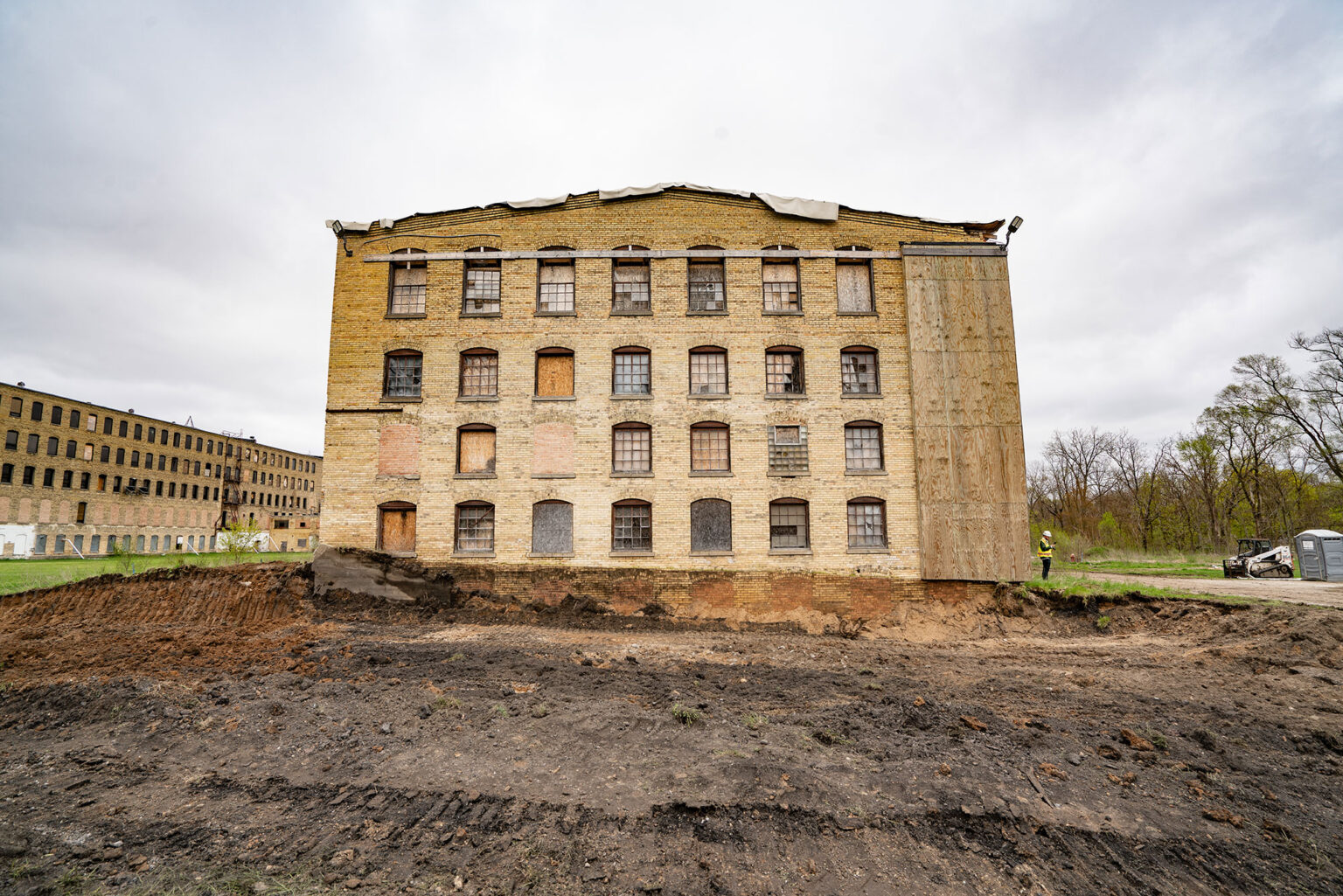
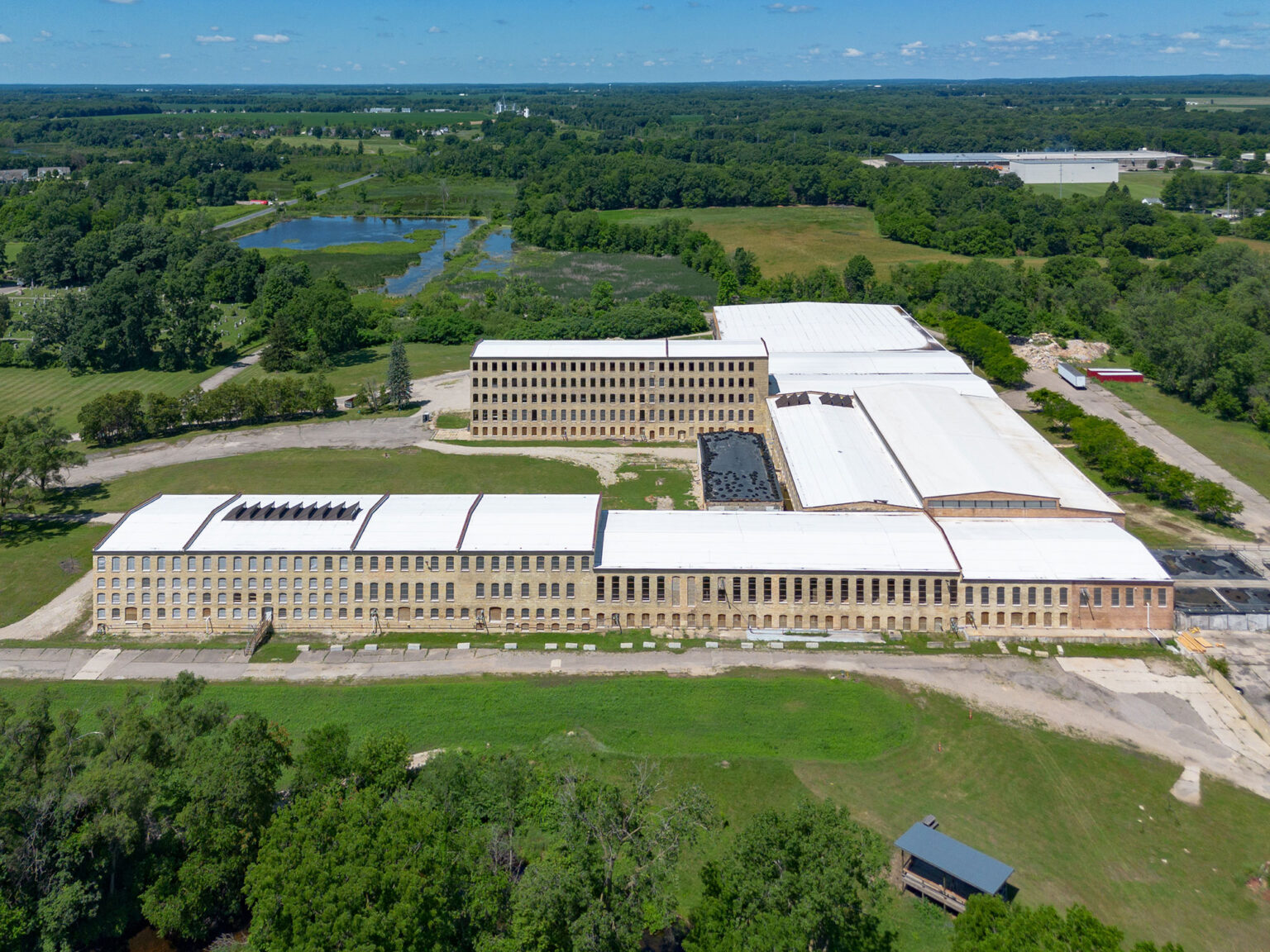
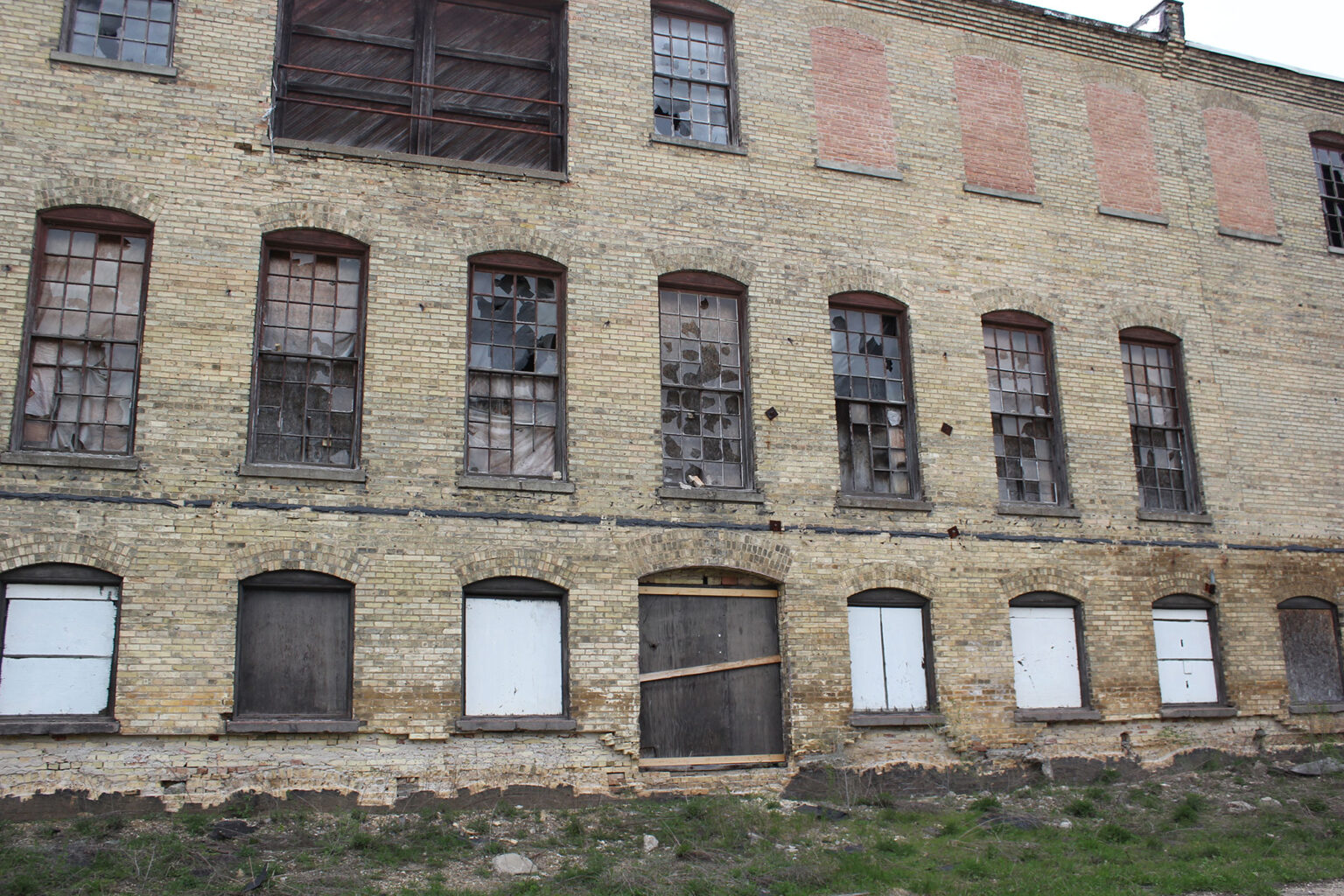
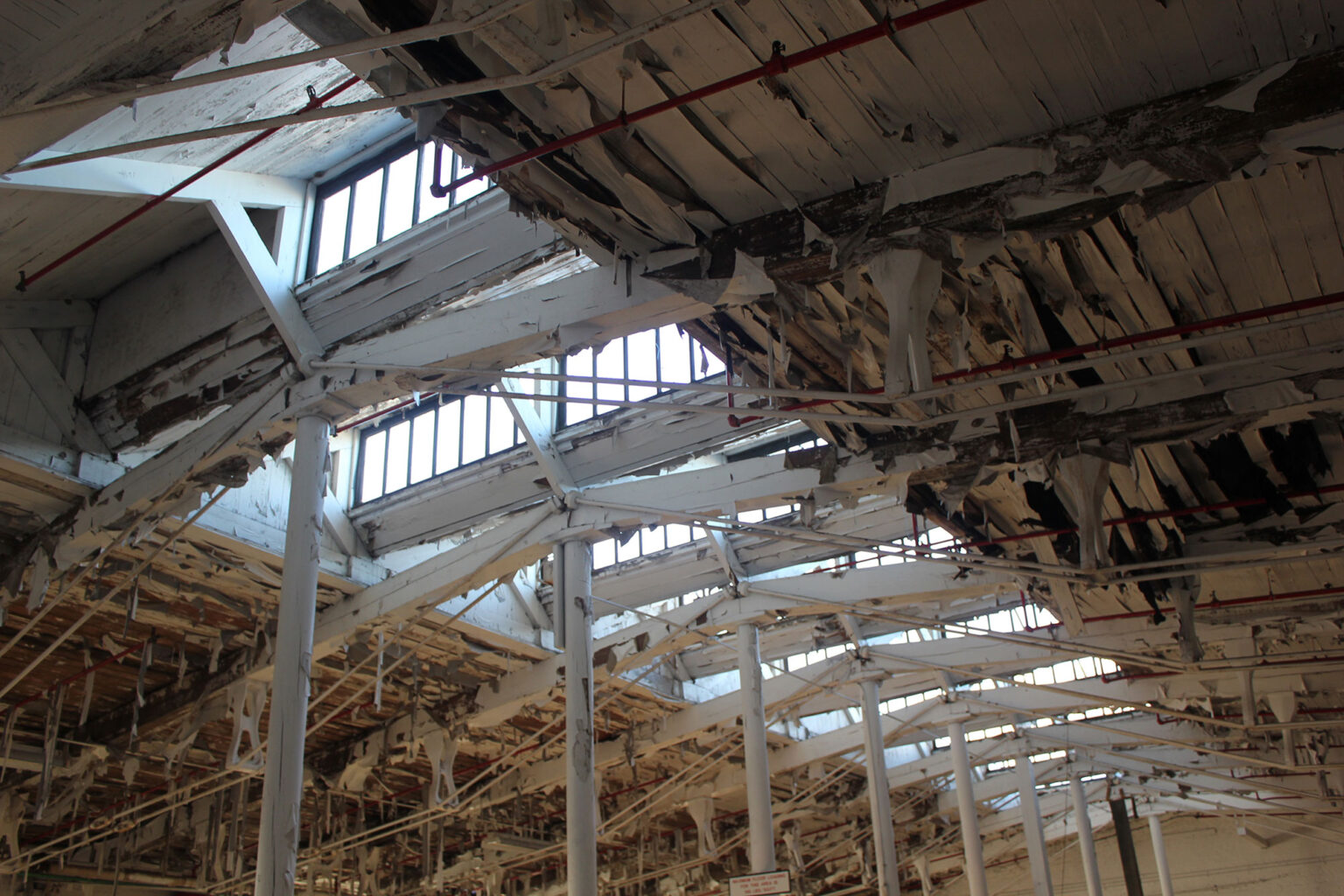
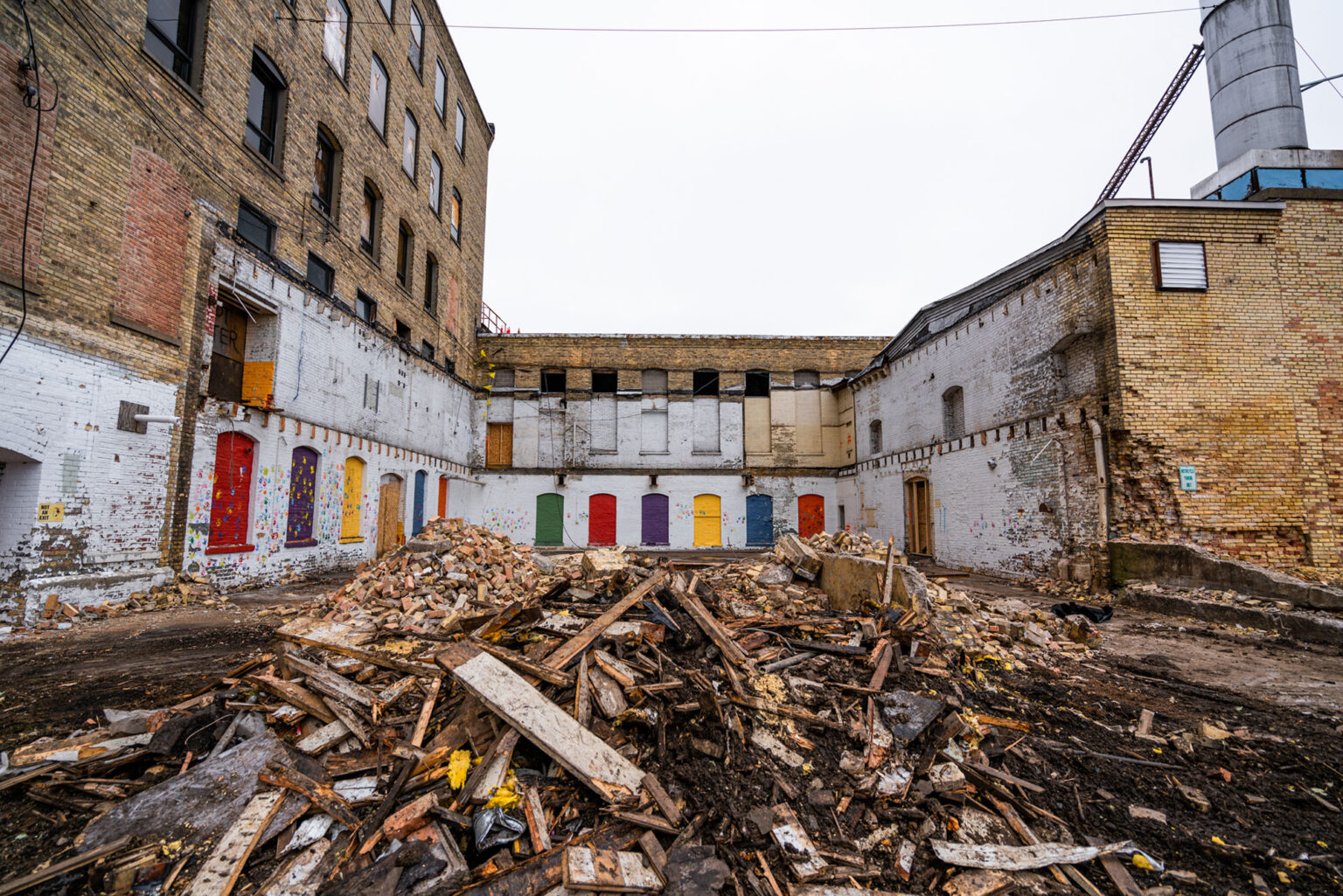
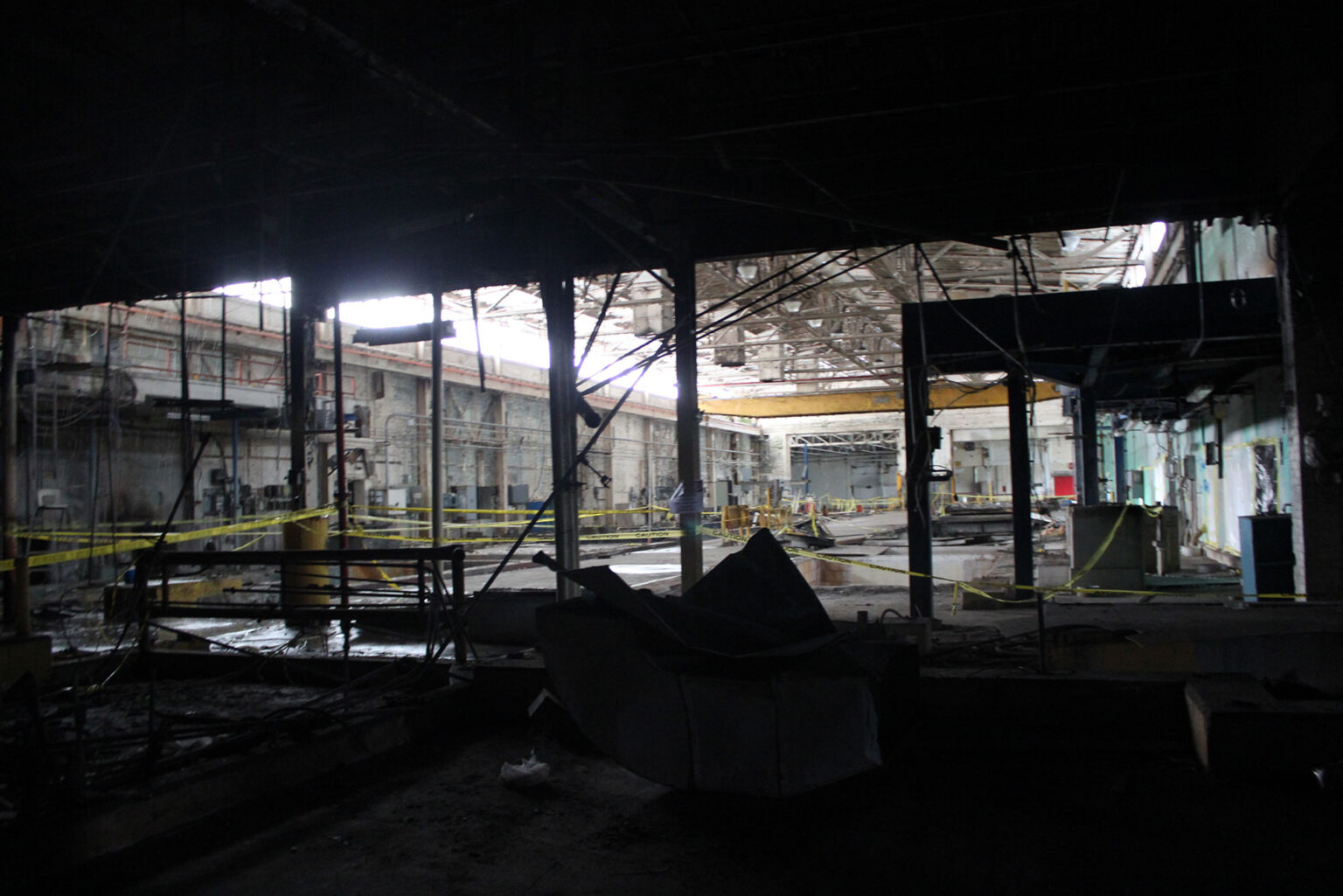
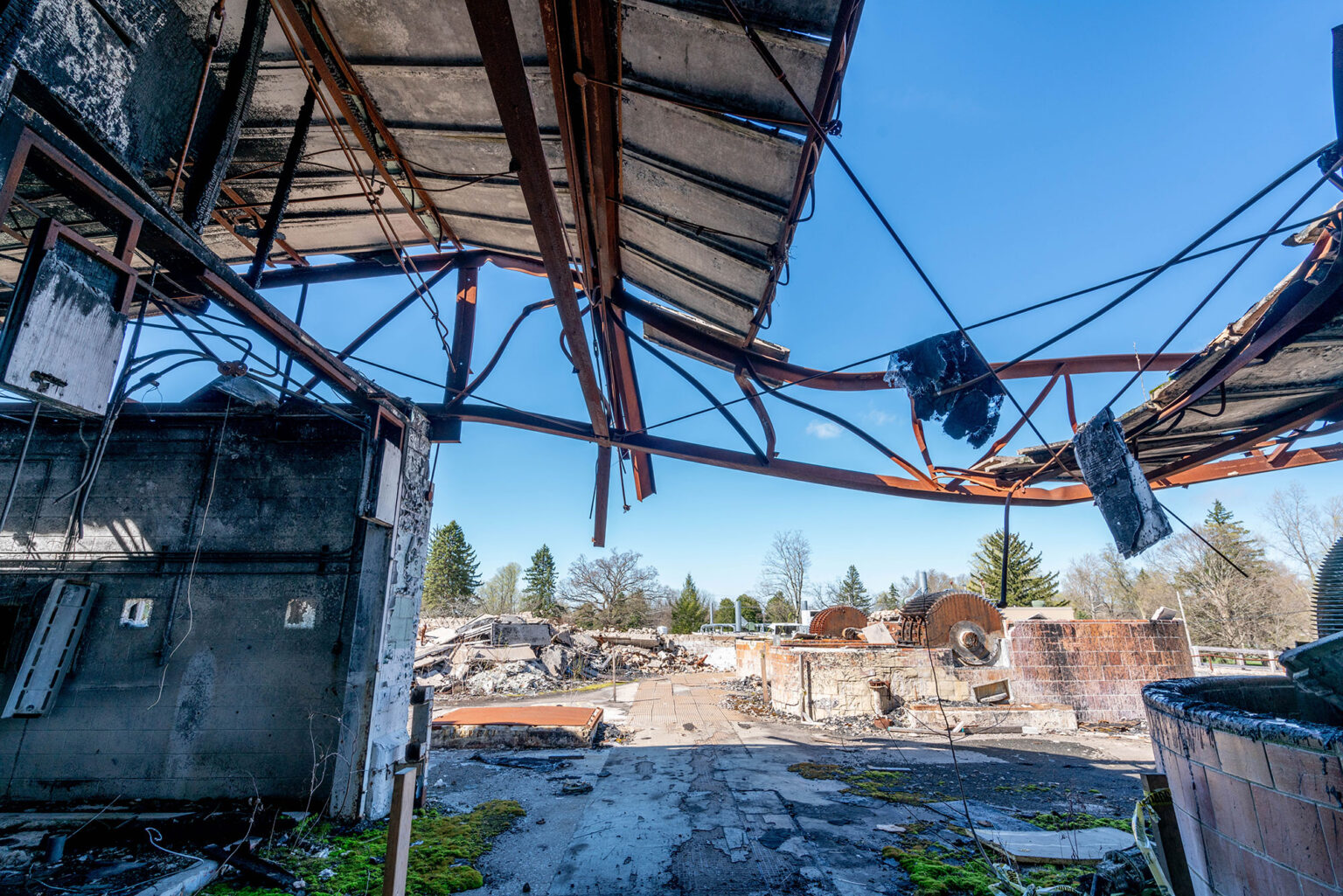
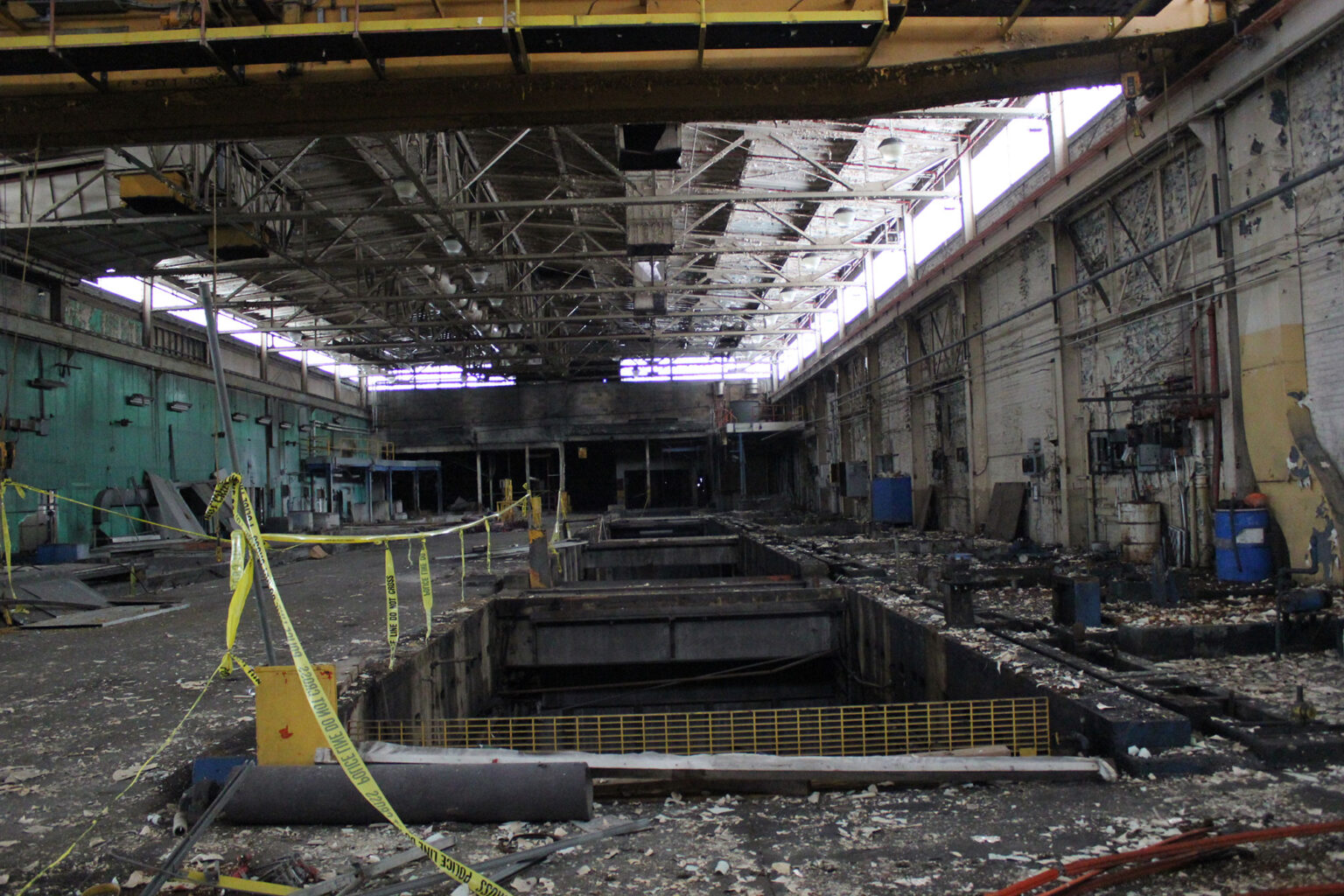
When The Mill closed, the 420,000-square-foot campus sat idle and deteriorating. The site was designated a brownfield, and Portage Creek—the same water source that had made the mill possible—bore the environmental impact of more than a century of industrial use. Demolition became a real possibility.
The Rejuvenation
In 2014, Chris Moore arranged the purchase of the entire facility from the Kalamazoo County Land Bank. When his mother called to say the building was slated for demolition, he stepped in. From the beginning, his intention was clear: this building should stand for another 200 years. The work carried out by The Mill Group since then reflects that commitment.
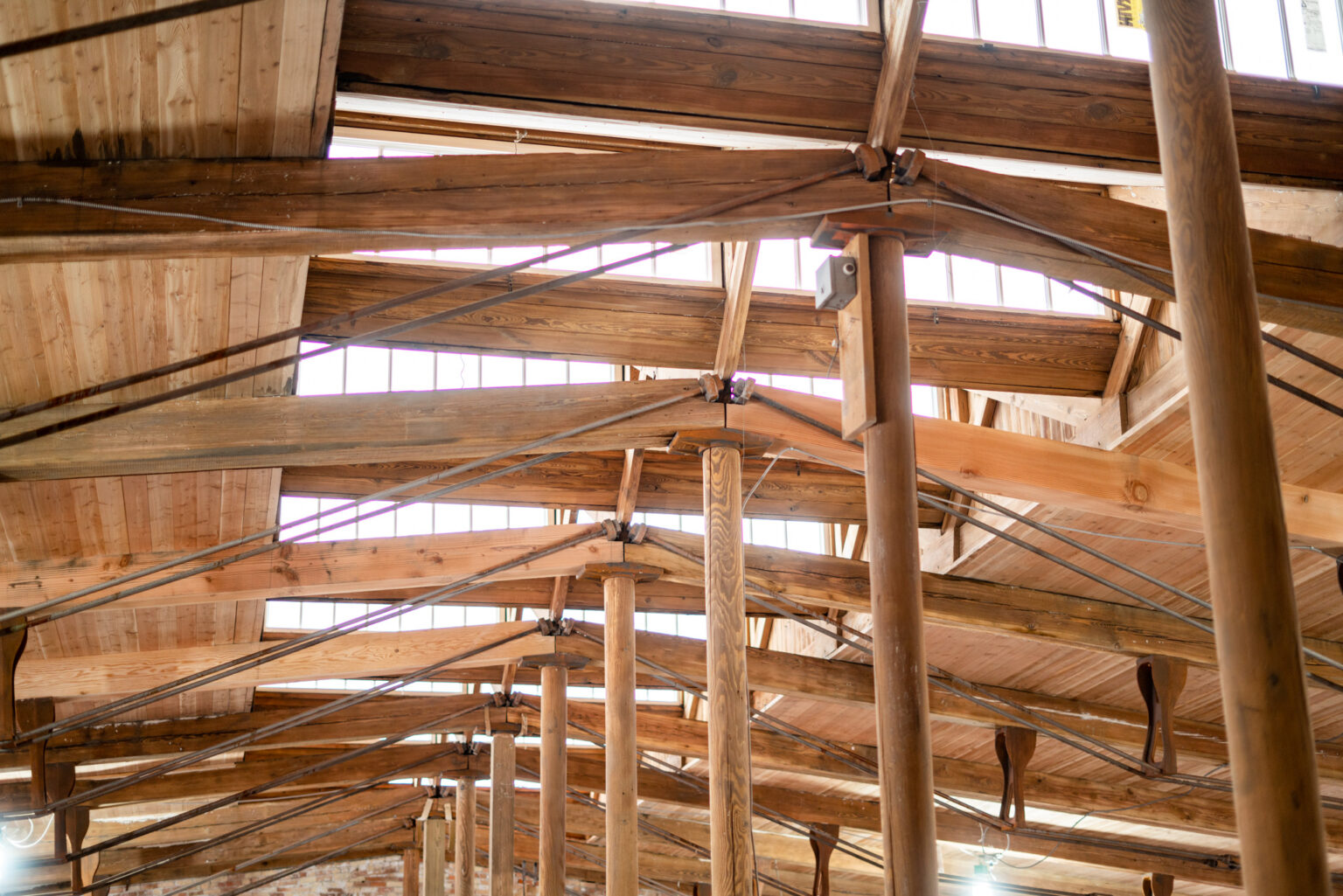
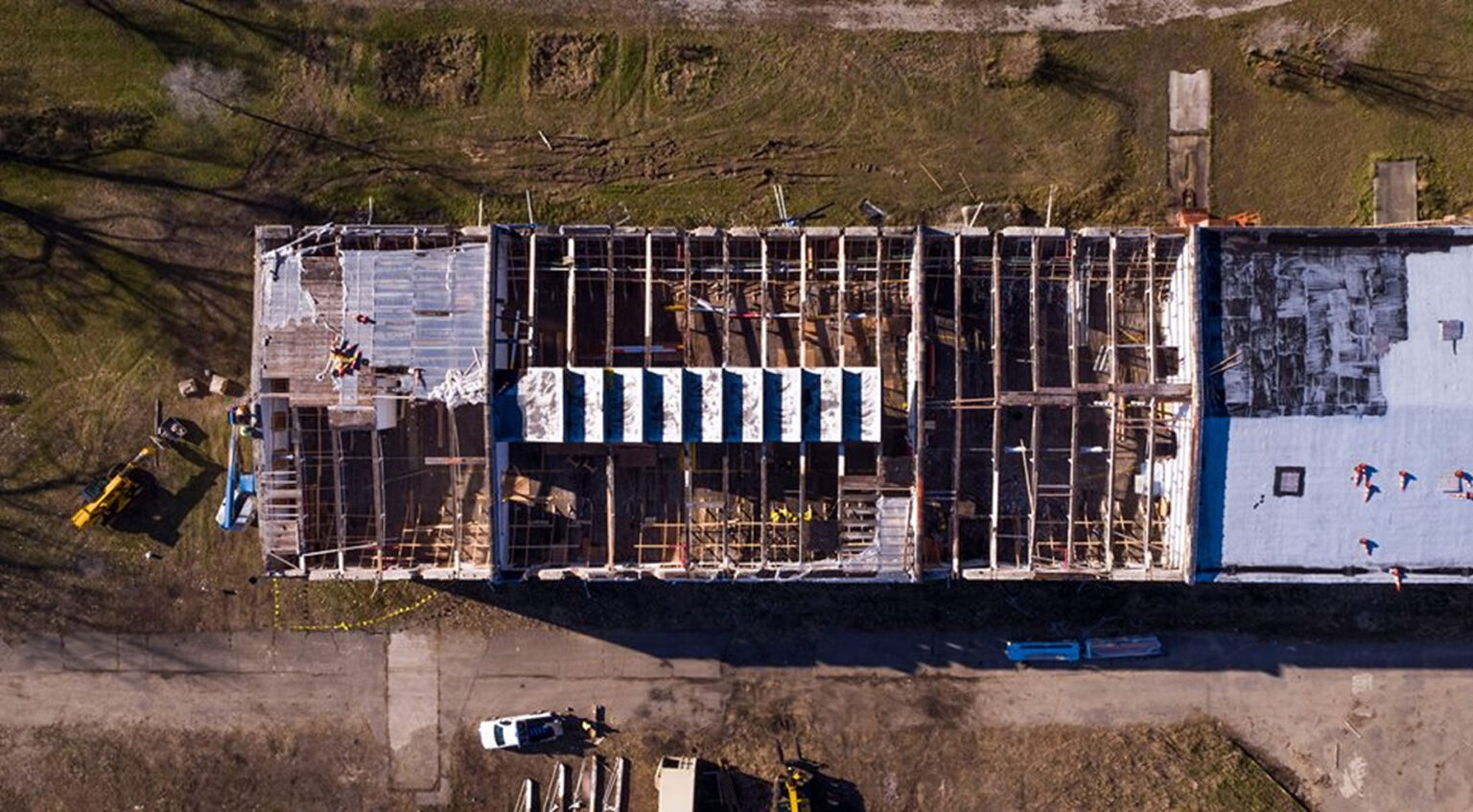
The restoration began with a decision to fully address the building’s environmental challenges. Rather than cover or remove them, the team completed a comprehensive abatement of up to eight layers of lead paint across 400,000 square feet—exceeding regulatory requirements and preparing the structure for long-term use. Today, the building stands clean, stable, and ready for its next chapter.
Read More About The Mill Rejuvenation
Throughout the process, materials have been carefully preserved and reused:
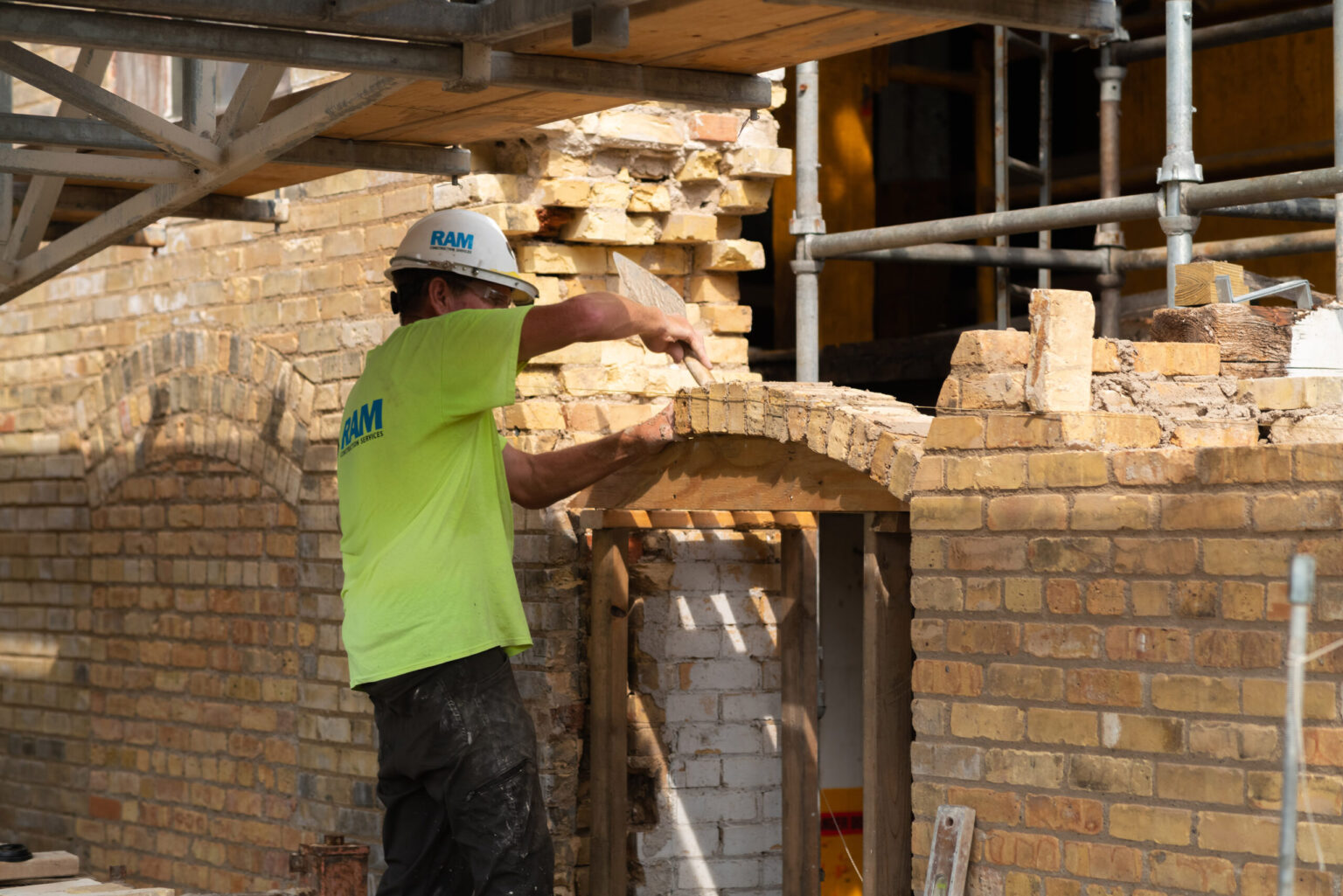
3.2 million bricks have been handled in the restoration, including 80,000 reclaimed from a Chicago racetrack and the West Bend Lithia Beer Company in Wisconsin—saved from landfill.
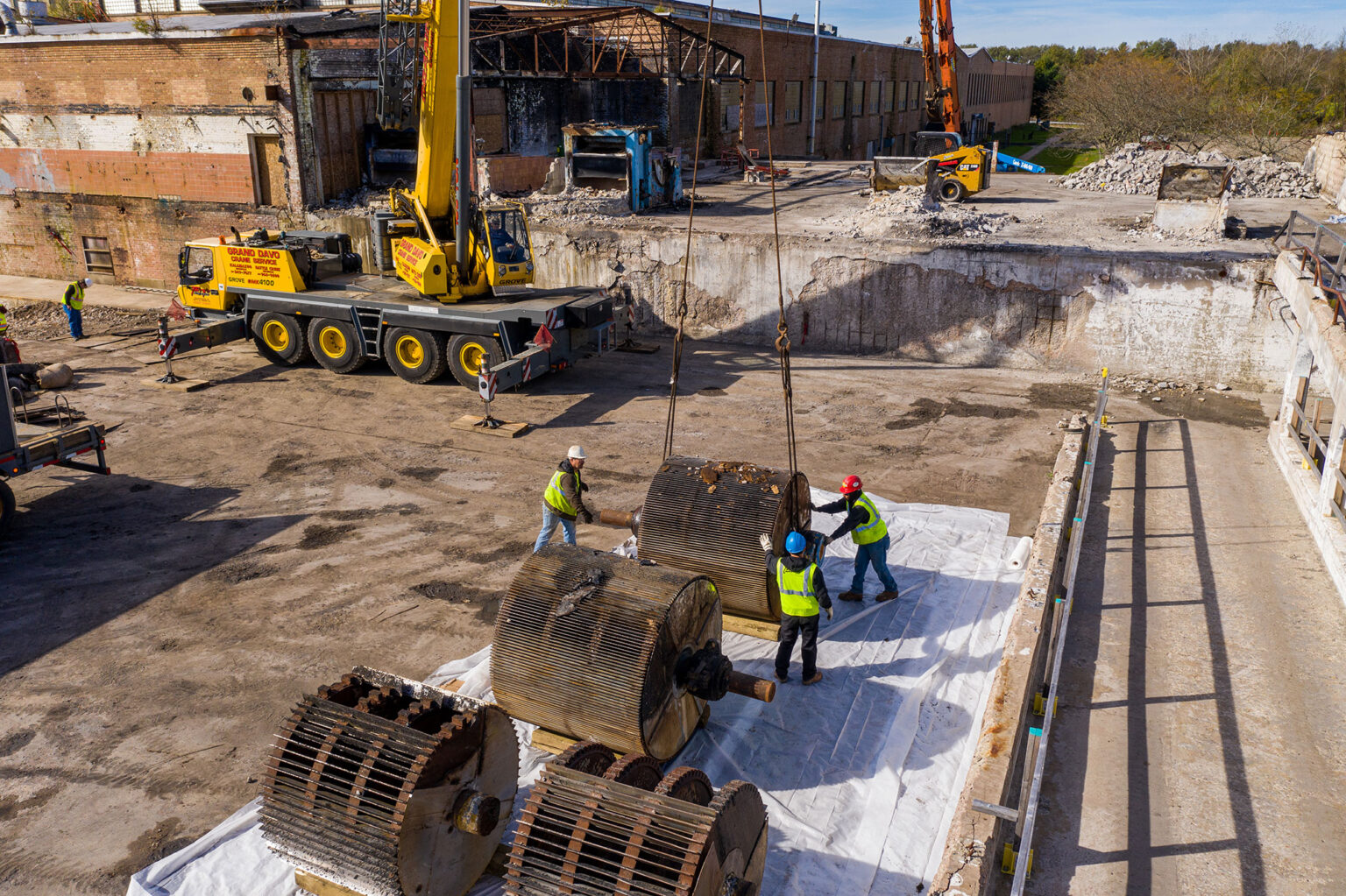
10,000 tons of concrete have been repurposed on-site as a base for a parking lot.
Two buildings have been preserved and adapted for reuse rather than lost to demolition.
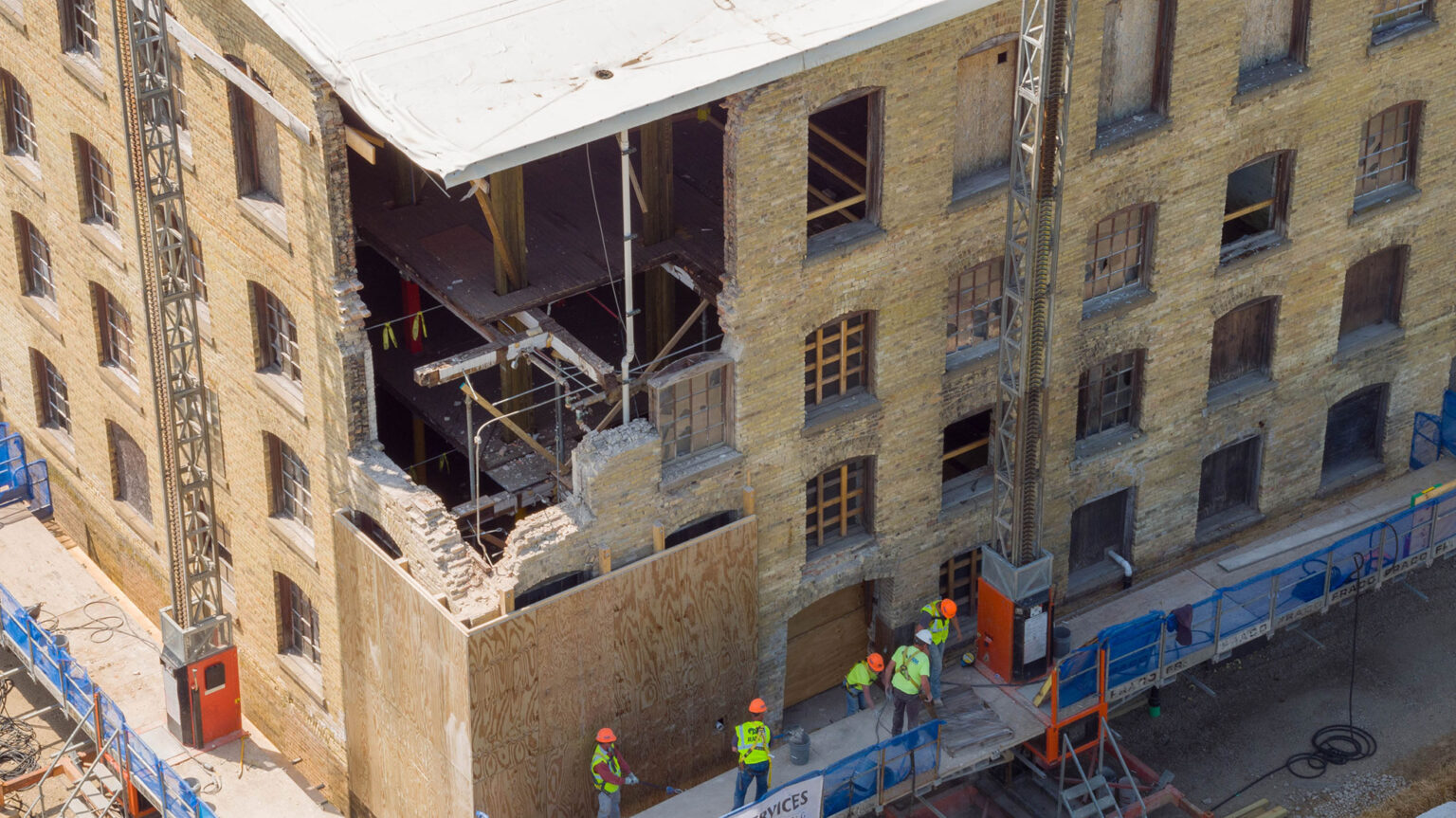
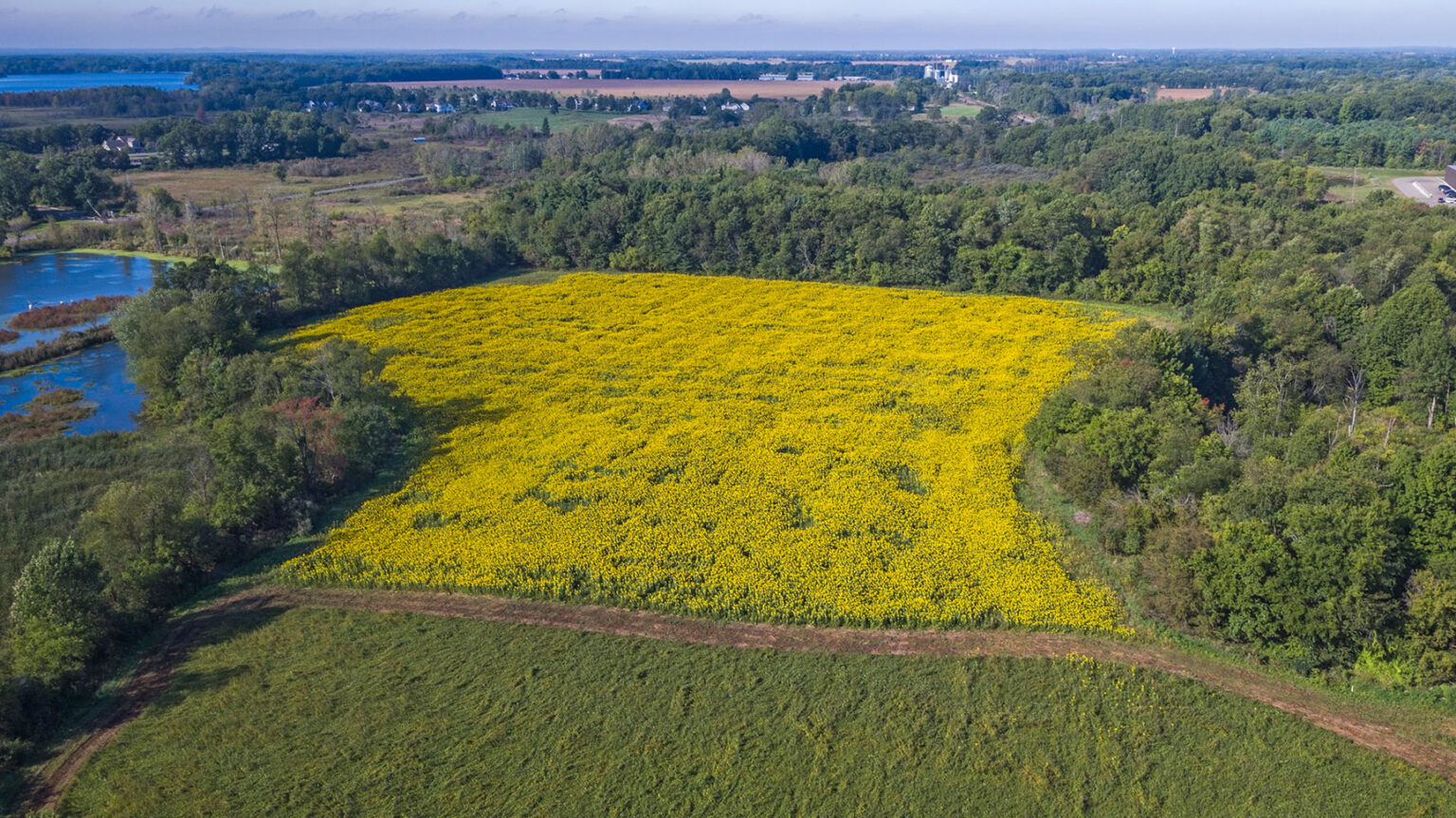
The Historic East Wing, once crumbling at its corner, has been carefully rebuilt to match its original design—faithful to its past and renewed for the future. A five-acre wildflower meadow now lines the eastern edge of the property, returning native and pollinator plantings to land once dominated by industrial infrastructure.
Portage Creek continues to run along the campus boundary, where environmental restoration efforts remain ongoing, including the protection of federally protected snuffbox mussels identified during site analysis.
Recognizing its projected economic impact on the region, the campus has been designated by the State of Michigan under the Transformational Brownfield Plan and was listed on the National Register of Historic Places in 2016.
With stabilization complete, The Mill Group is now in the final stages of planning the first public phase of the campus. The vision for The Mill has remained consistent from the beginning: lodging, a brewery and taproom, an outdoor beer garden, a national destination for breweriana and beer history, and live music and concerts. These are not new ideas—they have guided the work from the start. More will be shared as the work progresses.